Mystery in stone: the New Town Hall palindrome
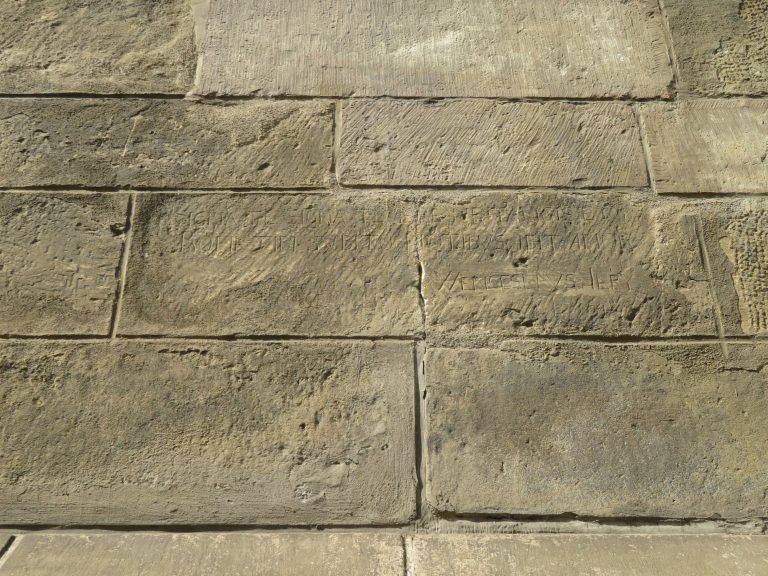
Two sentences in Latin are the same backwards and forwards
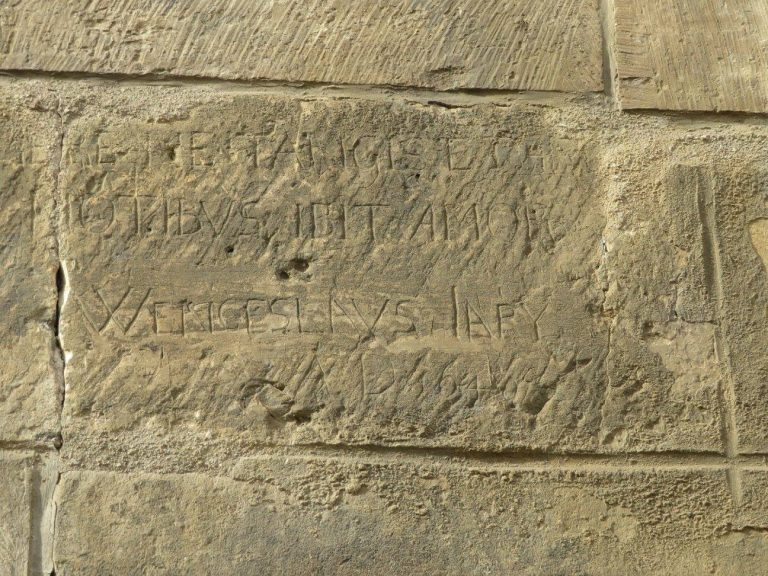
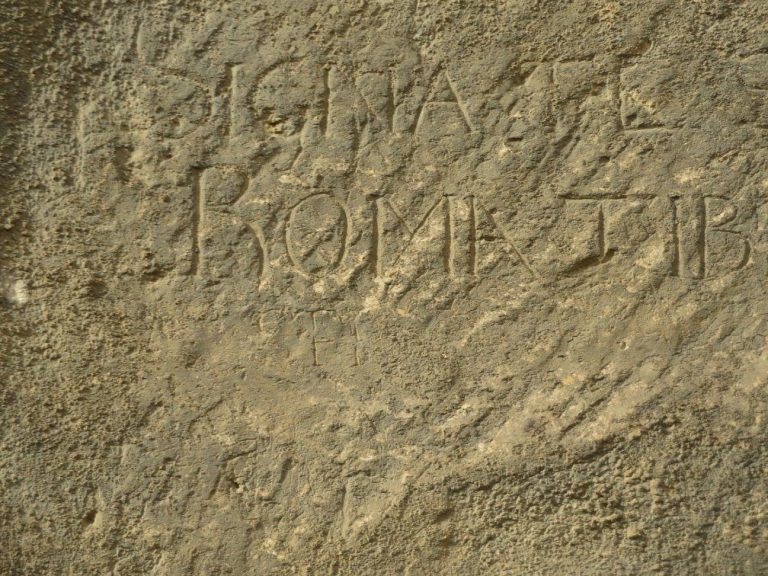
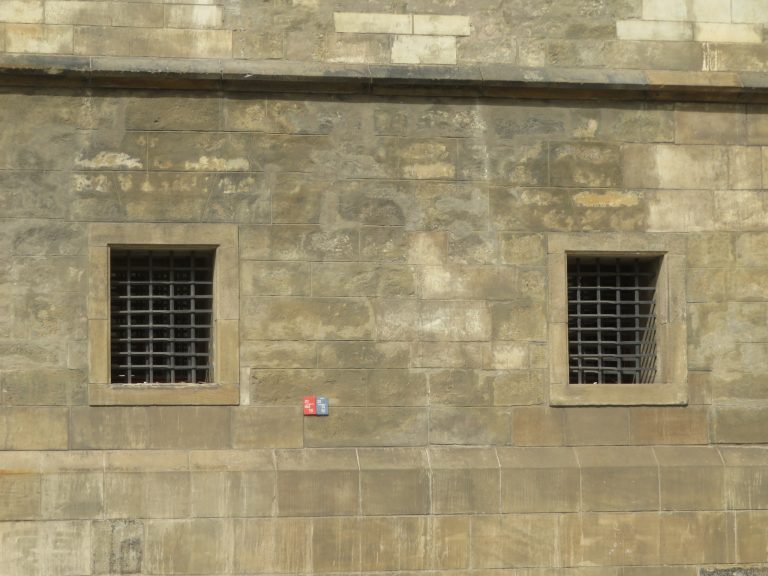
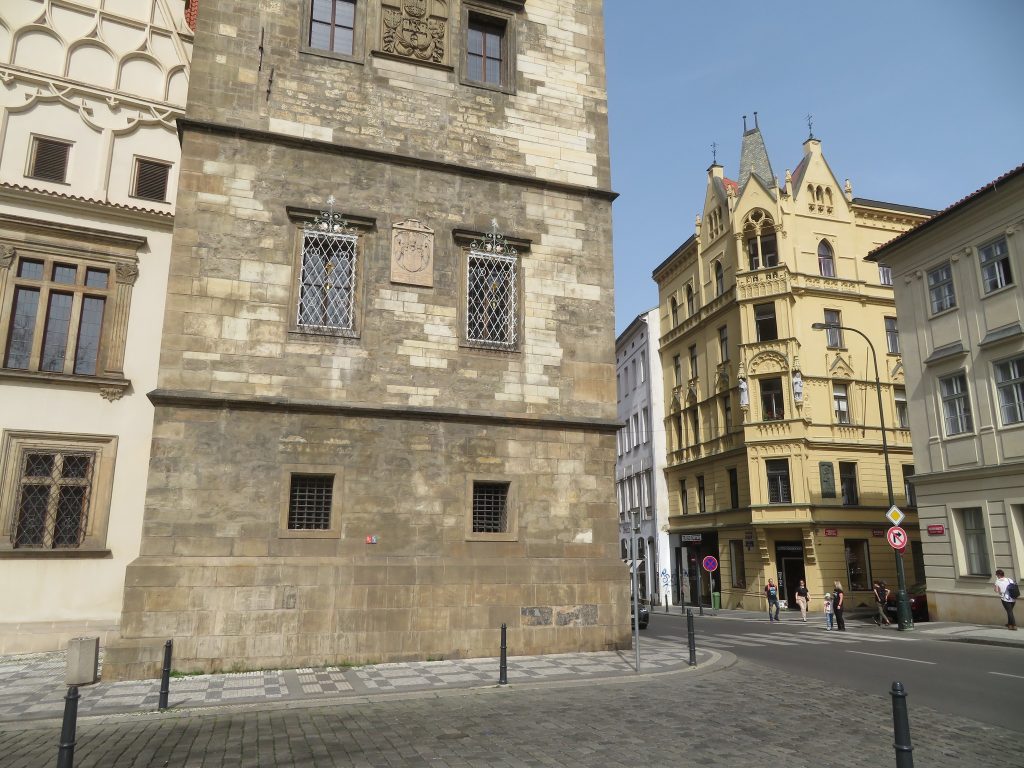
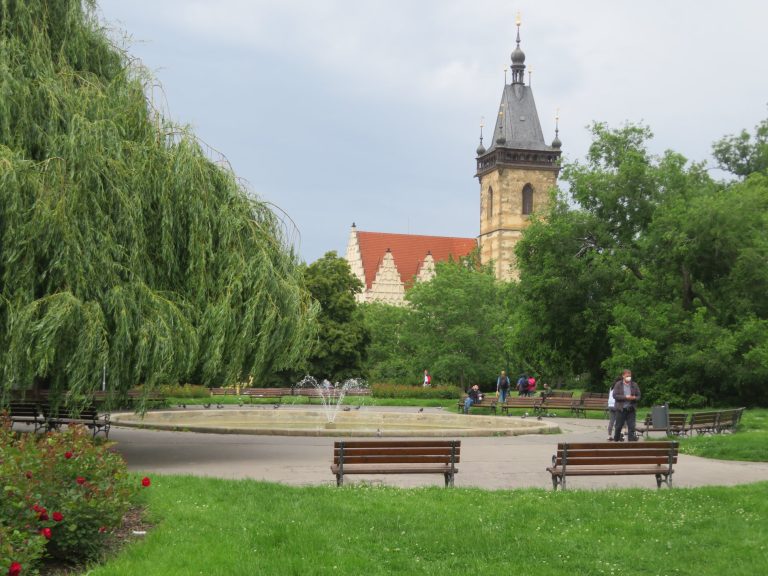
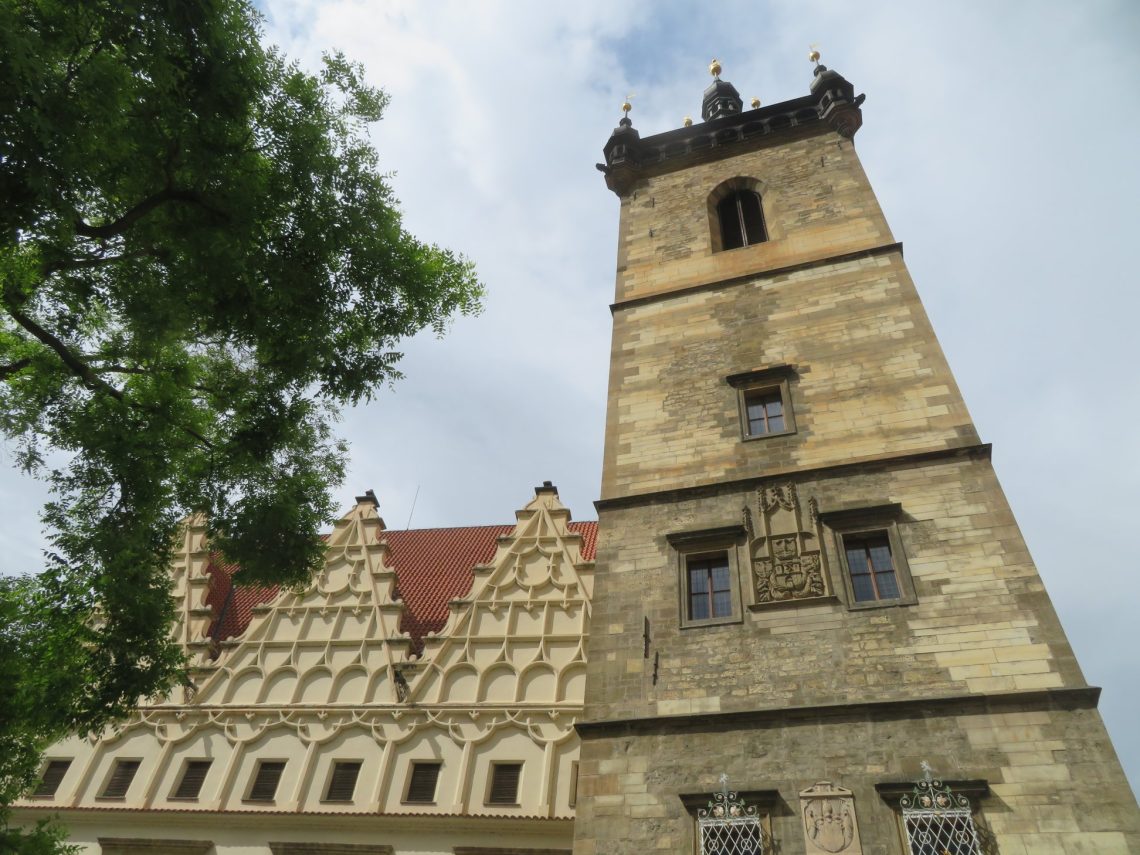
If you look closely at the side of the tower of the New Town Hall next to Prague’s Karlovo náměstí, you will find a faded palindrome scratched into the facade at eye level. These spell out two palindromes in Latin: “Signa te signa temere me tangis et angis / Roma tibi subito motibus ibit amor.” This is followed by the words “Wenceslaus Jary AD 1646”.
The palindrome can be translated as: “Cross, cross thyself; you plague and vex me without need. For, by my efforts, you are about to reach Rome, the object of your travel.” The significance of the date 1646 and the accompanying name have been lost to time. The date was during the Thirty Years’ War, but at a time when Prague was relatively quiet.
The palindrome is linked to the legend of St. Martin of Tours, who held a high place in medieval Bohemia. St. Martin’s feast day on Nov. 11 was when new wine from the recent harvest was served for the first time, along with roasted goose. The day was also used to forecast the coming of the first snow. The Czech phrase “Martin přijíždí na bílém koni” means “Martin is coming on a white horse”.
An odd tale of St Martin and a mule
The palindromes come from a different legend. The historical Martin, who is thought to have died in the year 397 AD, was a Roman soldier who converted to Christianity and became a bishop in then-Gaul.
The legend in question finds Martin walking to Rome when he encounters the Devil, who asks him why he is not riding instead. Martin uses magic to change the Devil into a mule and begins to ride him, using the sign of the cross to force the beast forward.
Eventually the exasperated donkey recites the two-line palindrome, meaning that the urging is not necessary as the goal will be reached regardless.
Nineteenth-century Czech writer Karel Havlíček attributes the same palindromes to St. John of Novgorod. According to that legend, John rode on the back of a demon to visit Jerusalem. A magazine about Czechoslovak folk culture from 1924 also adds that 17th-century historian Bohuslav Balbín mentions the palindrome.
Professor František Ruth’s 1903 book Chronicle of Royal Prague and the Neighboring Villages mentions the existence of the palindrome on the New Town Tower and has several details about the tower’s history but does not provide any concrete explanation of why the two lines are there. So exactly what the inscription is meant to accomplish on the tower is an open question, especially since it is a quote from the Devil.
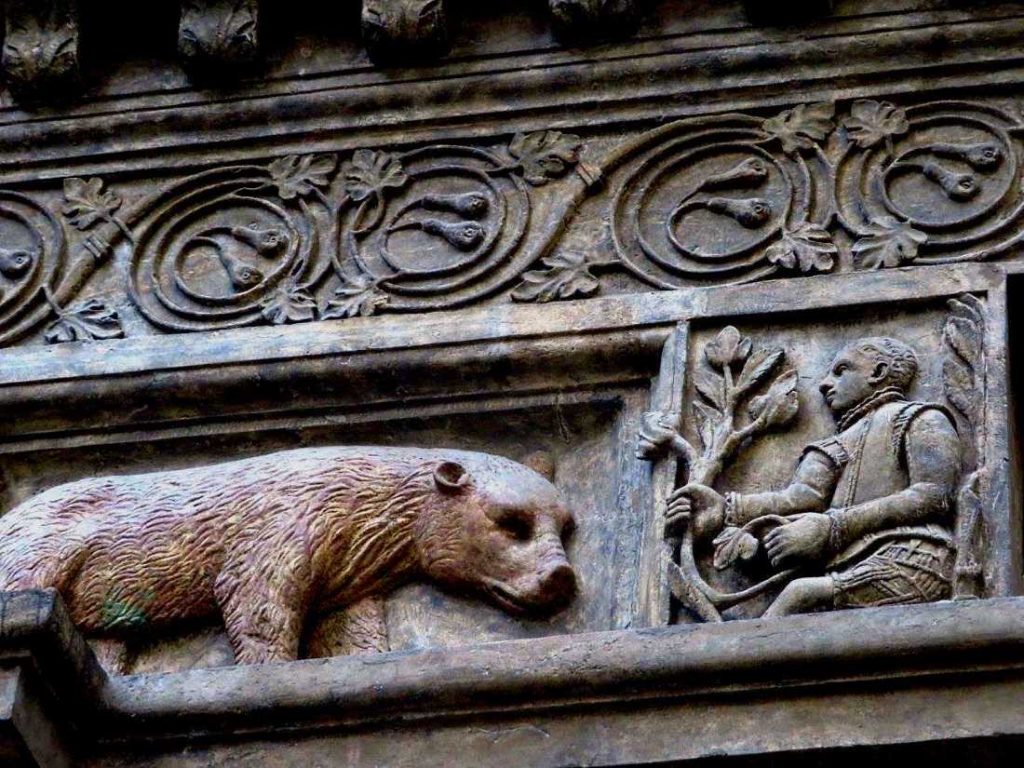
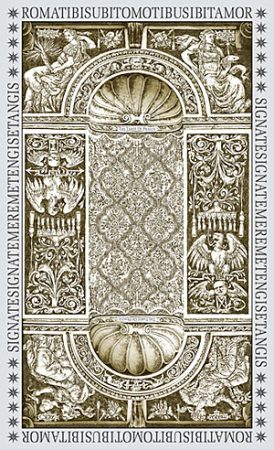
The magical palindrome can also be found on the backs of all the cards in The Tarot of Prague. A wooden panel from inside the tower at New Town Hall is featured on the Nine of Cups. Figures from facades on buildings facing Karlovo náměstí can be seen on the Four of Wands and King of Wands.
Magic words from ancient times
From ancient times up through the medieval era, words were seen as having a magical power. Letters arranged in magic patterns like the Sator Square – a block of letters in a complex palindrome pattern – can be found going back to ancient Pompeii. In the Middle Ages, the square was used to ward off illness. The word “palindrome” comes from ancient Greek and means “running back again”.
A palindrome on the side of a building to create some sort of protective charm would seem to fall in line with the word-magic idea. The placement on the side of the building is odd though.
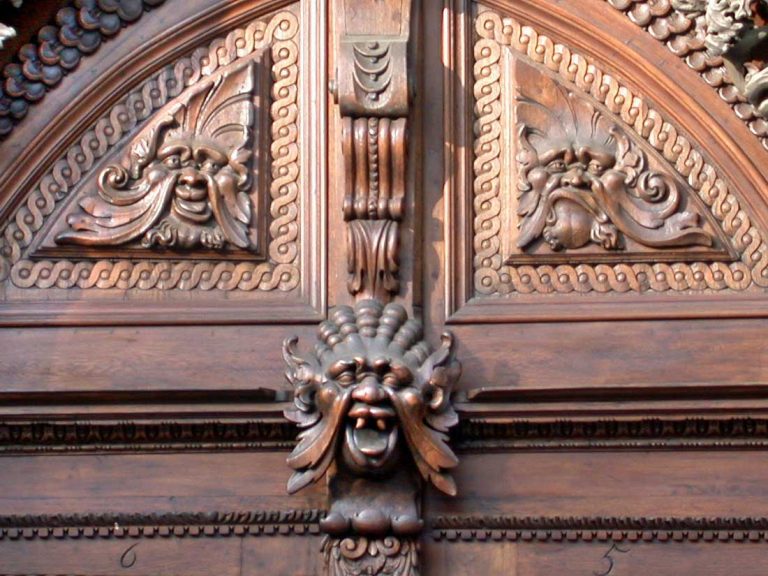
Inscriptions, gruesome figures, scary faces or arcane symbols over a doorway were sometimes meant to discourage evil spirits or demons from entering. The architectural term for these faces is “mascarons”. Elaborate unsolvable mazes and impenetrable tangles of sculpted thorns can be found around doors.
Demons, in theory, would encounter these and stand there trying to solve the puzzle or become trapped in the thorns. The evil spirits, in a similar manner, could find themselves reading the palindromes back and forth ad infinitum.
The space on the side of the New Town Hall Tower was used for public executions. The victims were buried in the yard of the nearby Church of St. Stephen. One theory is the text was related to the condemned being allowed to say a prayer and kiss a cross before going on their final journey.
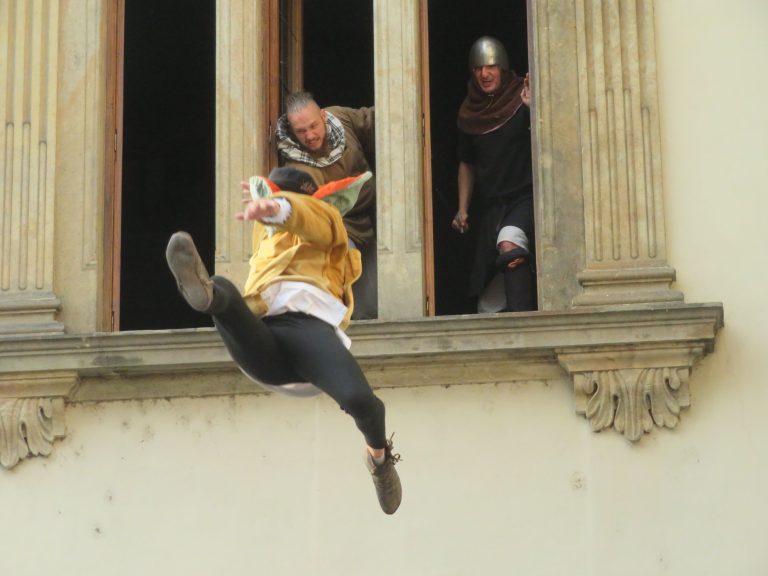
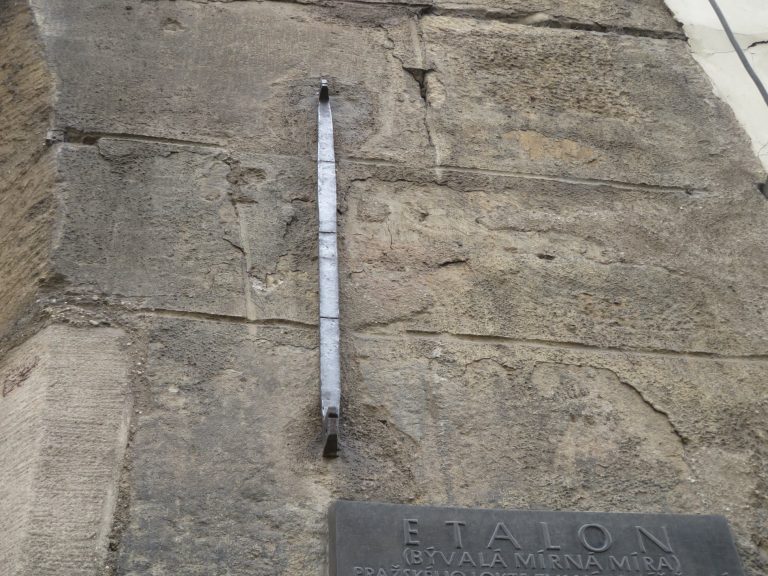
The tower is famous as the site of the First Prague Defenestration, which took place in 1419. This led to the Hussite Wars, but the palindrome seems unrelated. The tower also has a historical measuring stick mounted near the main entrance.
Some guidebooks claim that the same two-line palindrome can be found inside the Old Town Tower of Charles Bridge, but nobody seems to know exactly where and nobody has produced a photograph. Probably someone mixed up the two towers long ago and the misinformation keeps popping up.
A numerical palindrome
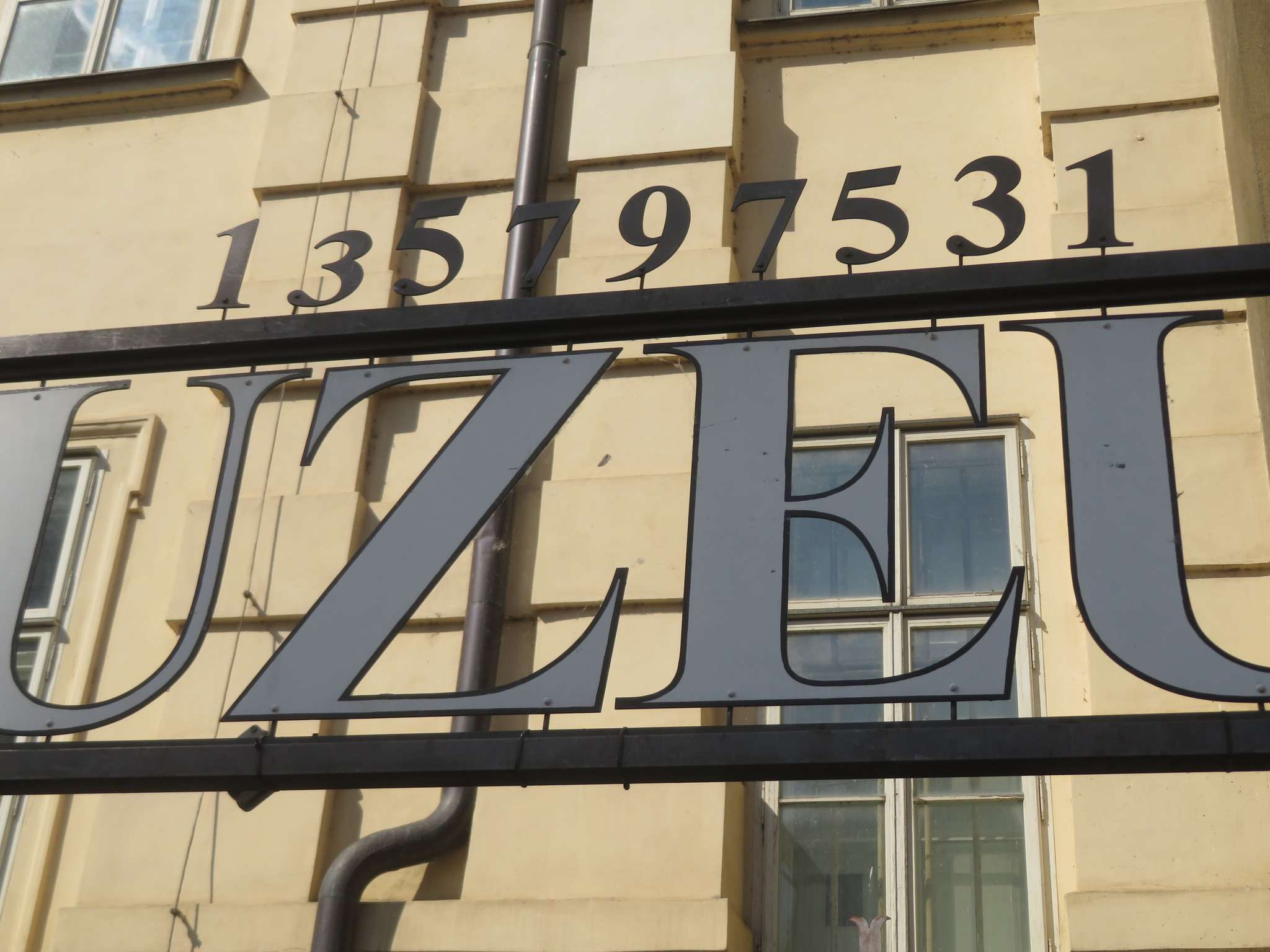
There is also a numerical palindrome related to Charles Bridge. Above the entrance gate to the Charles Bridge Museum, you can find the number 135797531, referring to the date and time that the foundation stone of the bridge was laid: July 9, 1357, and 5:31 in the morning by Old Bohemian time. The time was supposedly selected by astrologers at the behest of Emperor Charles IV. The time was supposed to guarantee success for the bridge construction, as bridges were notoriously difficult to build.
The entrance gate is modern, only dating to 2007. The story of the number is much older. Some historians, though, say the exact date of the foundation is unknown, and the palindrome tale was invented later as early chronicles don’t mention it. We delve more into the history of the bridge in a previous story on the summer solstice alignment.
The Roman numeral code on statues
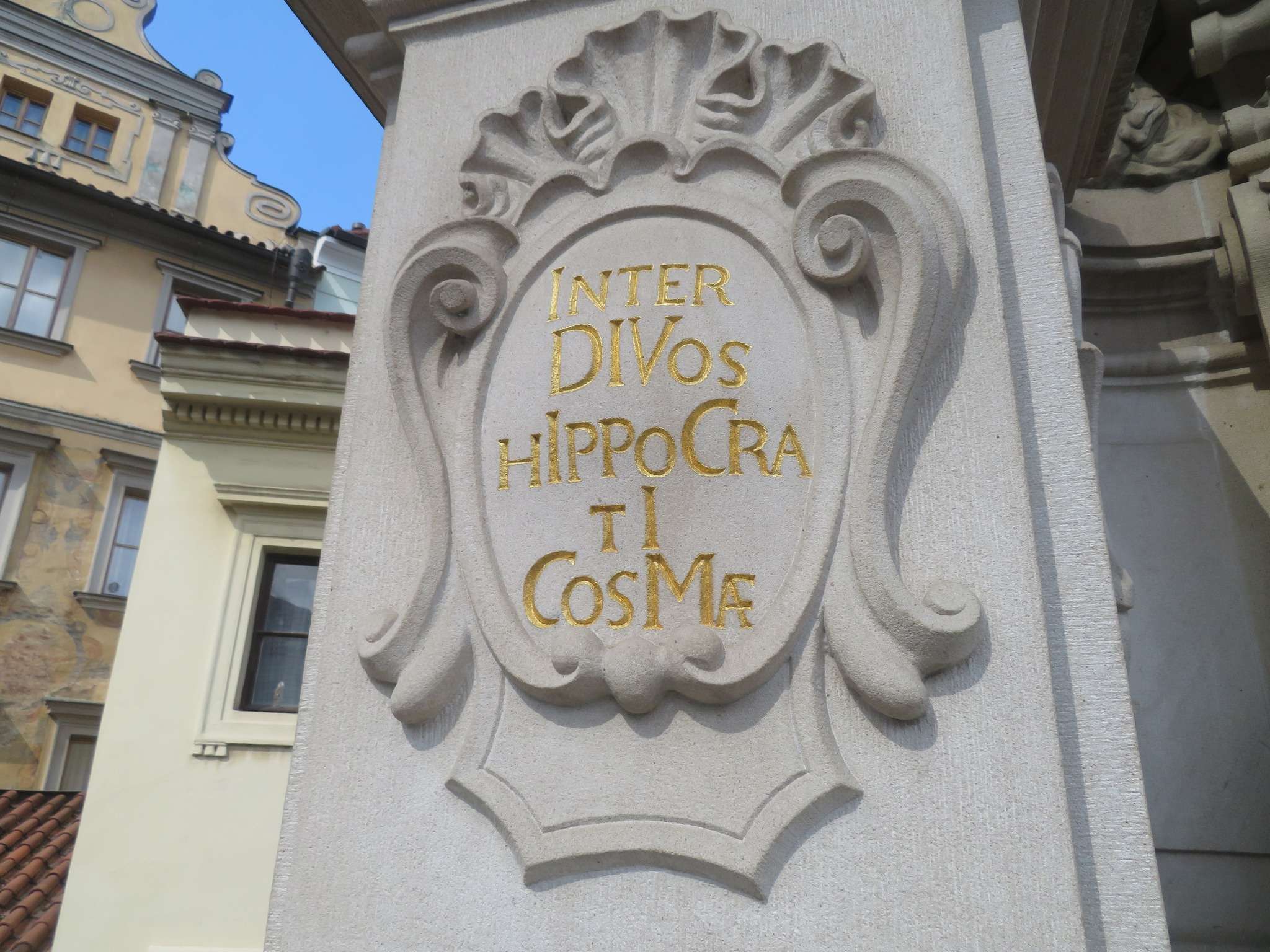
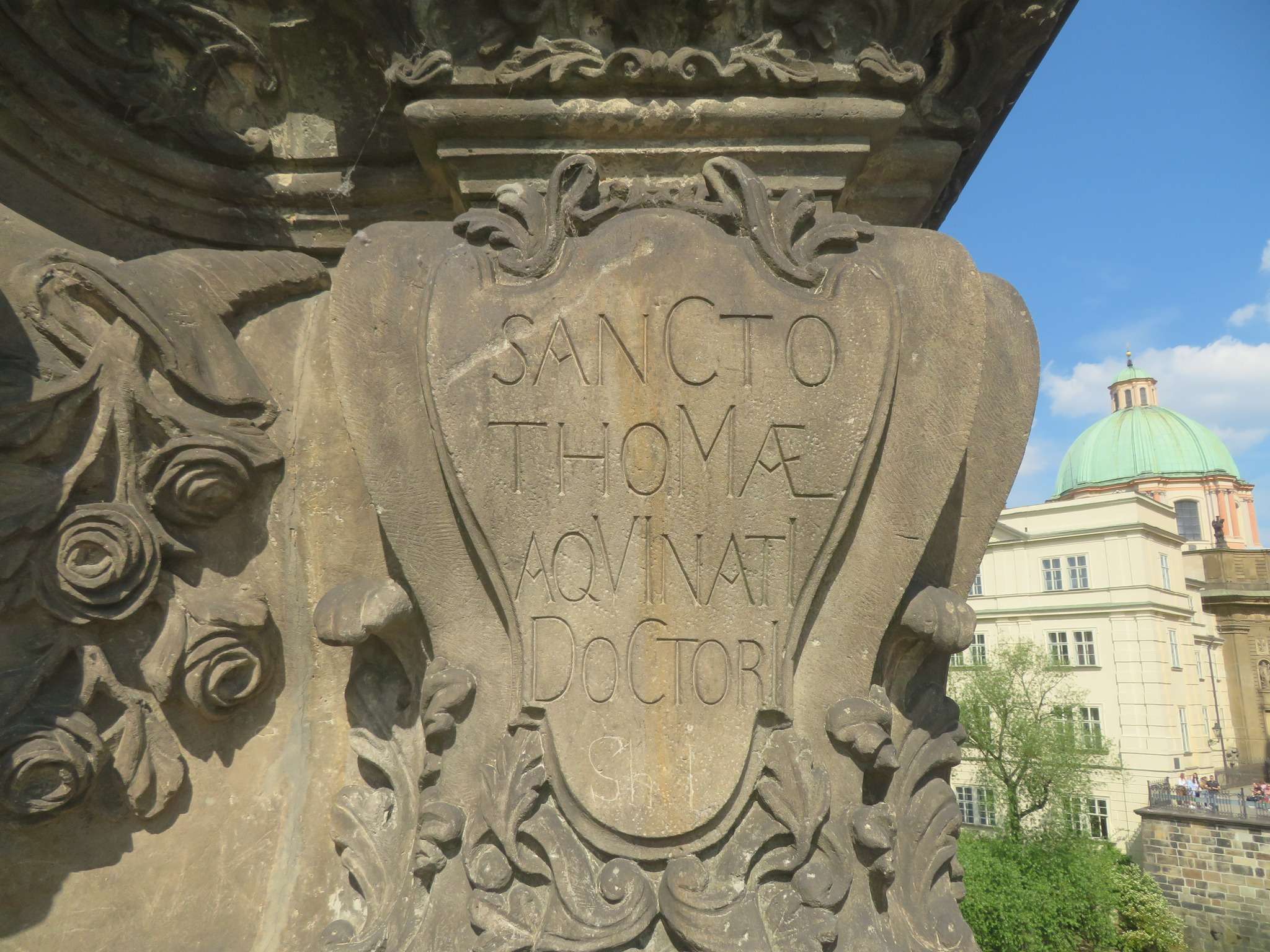
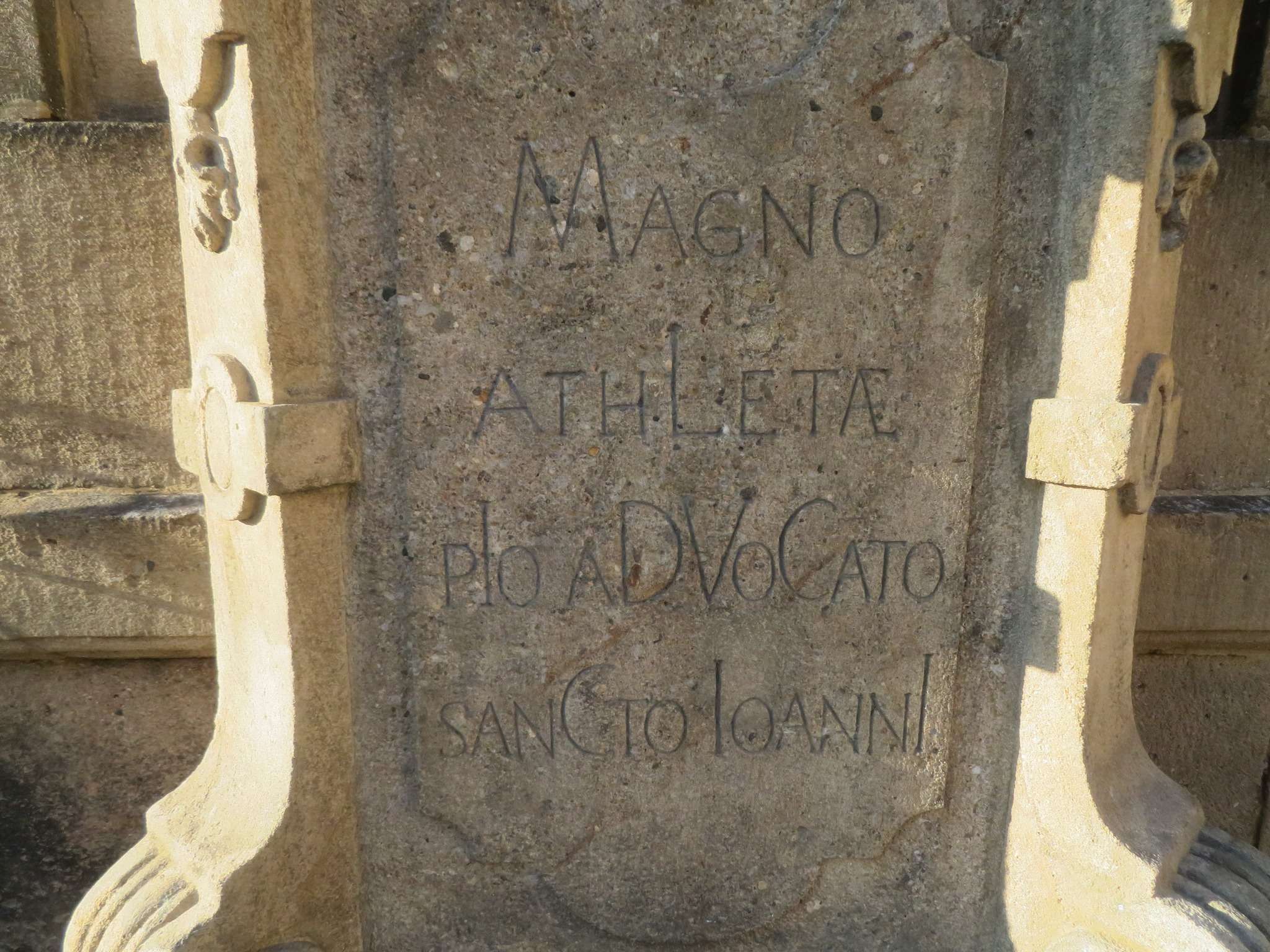
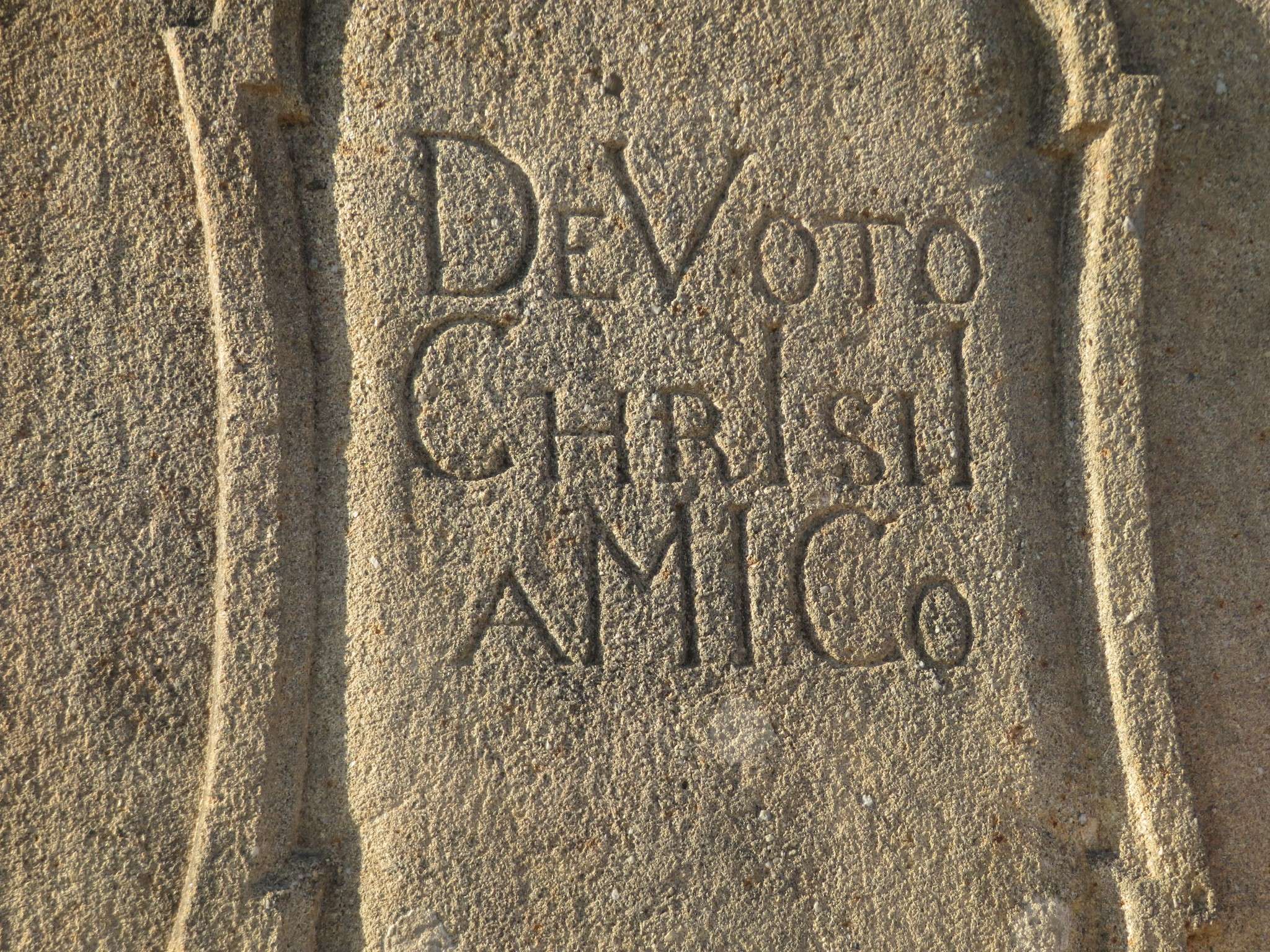
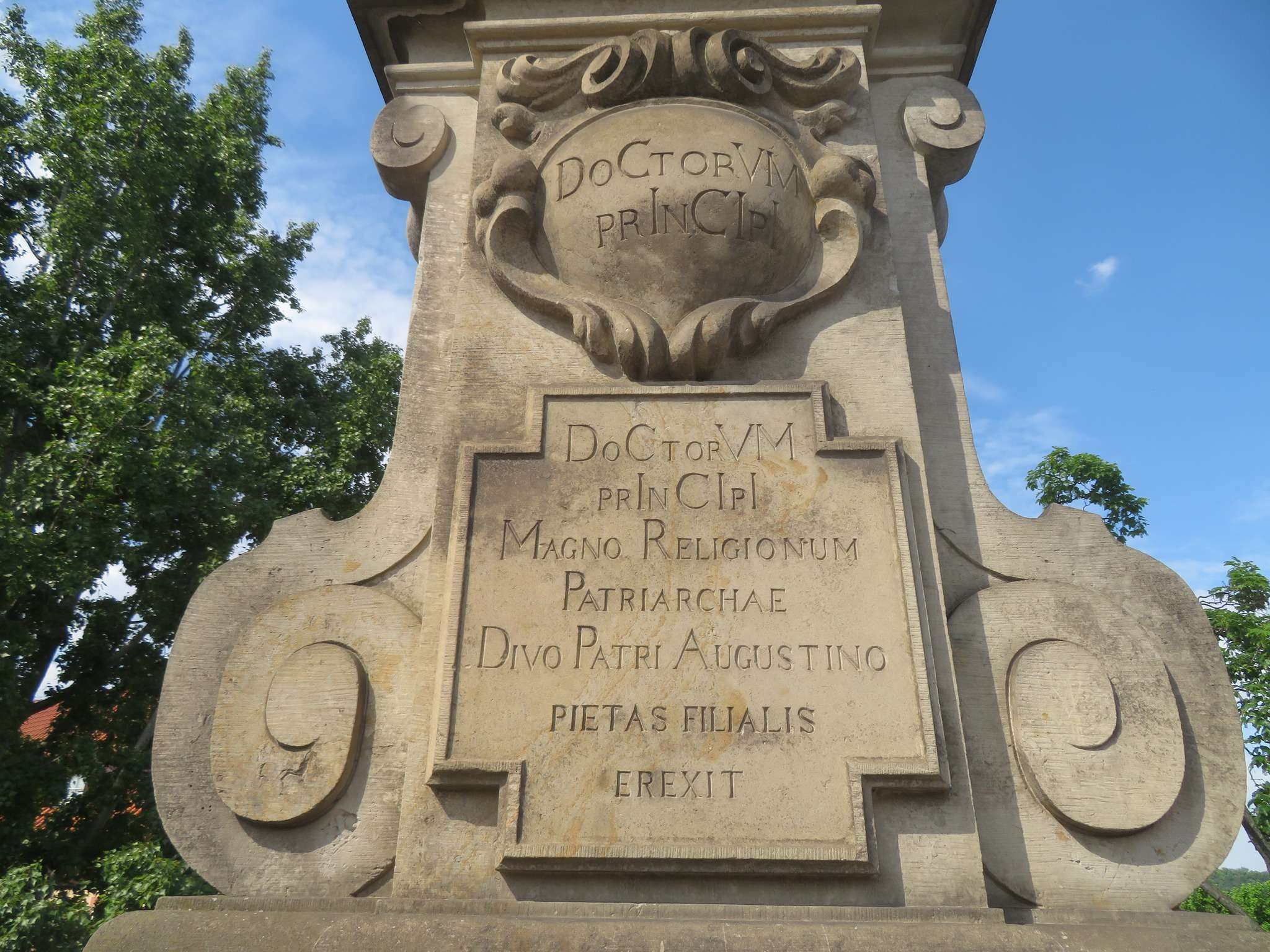
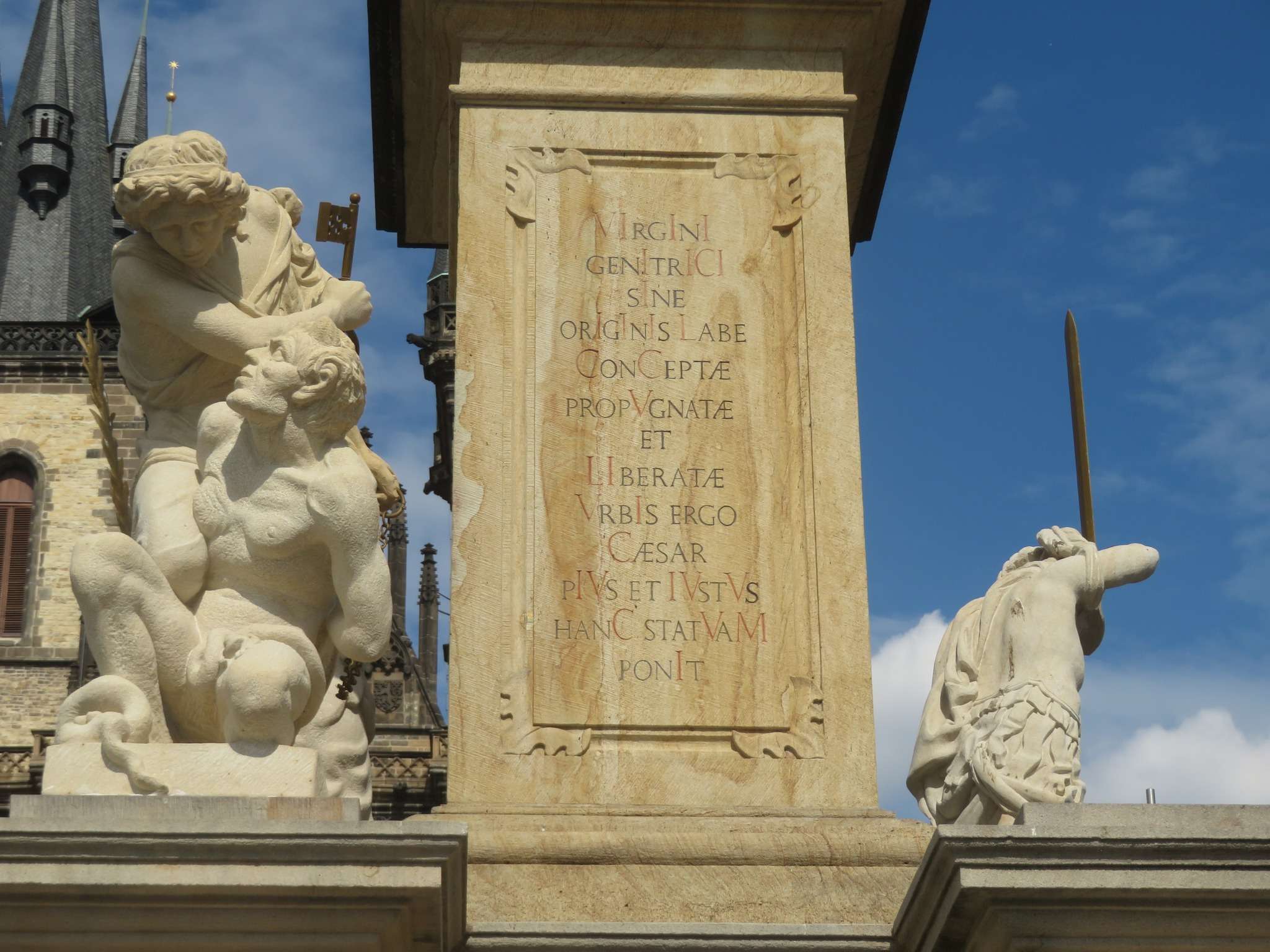
This isn’t the only cryptic message in plain sight. Statues on Charles Bridge and in many churches have Latin inscriptions at the base. Specific letters are larger than the rest. These are also Roman numerals – I, V, X, L, C, D, M (1, 5, 10, 50, 100, 500, 1000) – and added up they give an important date such as when the statue was made or when some significant event occurred.
This is called a chronogram. Some of the numbers are sometimes hard to figure out, as it is not clear when to add or subtract as the letters are out of their proper sequence.
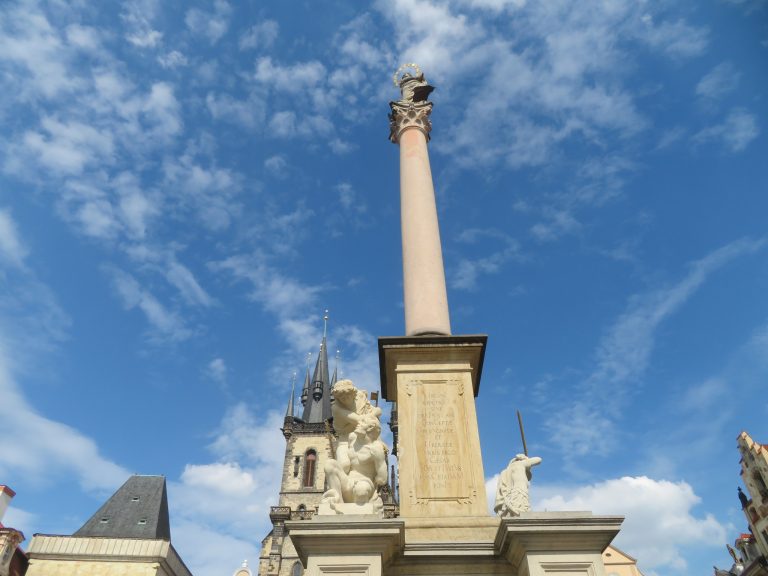
Such an inscription is also on the restored Marian Column in Old Town Square, and the numbers add up to 1650, the date the original column was erected. The column marks the Hapsburg victory at the end of the Thirty Years’ War. The original column was destroyed by a mob in 1918 when Czechoslovakia achieved independence. The copy was erected after a long dispute in 2020.
An article by BabaBarock with Raymond Johnston. Copyright BabaBarock Ltd, all rights reserved. Please contact us if you would like to syndicate or otherwise use this article.
You May Also Like
Two monastery ghosts haunt the grounds of Emauzy
March 19, 2019
A peasant girl haunts Liechtenstein Palace
October 30, 2017